Best AI Headshot Generator? We Tested 15 on One Face
Every question people actually ask before paying for the best AI headshot generator they can find, answered from a test rather than from marketing copy.
Disclosure before anything else. No affiliate links in this post — every tool link goes to that tool's own homepage and nothing here earns a commission. The eight test photographs are of Ricardo Ghekiere, who founded BetterPic, one of the fifteen tools we tested, and I work with BetterPic. BetterPic scored highest. All the scores are below so you can weigh that yourself.
Do AI headshots actually look like you?
Some do. Most of the ones we tested did not.
We gave fifteen tools the same eight photographs of the same man — fifty-something, thick grey hair, full cheeks, a slightly uneven smile. Eleven of the fifteen handed back a younger, thinner, darker-haired man.
That is the single most important thing to know before you spend anything in this category, and almost nothing written about these tools measures it.
Which one kept his face?
BetterPic, which scored 9 out of 10 on likeness — the highest figure in the test — and 8.6 overall.
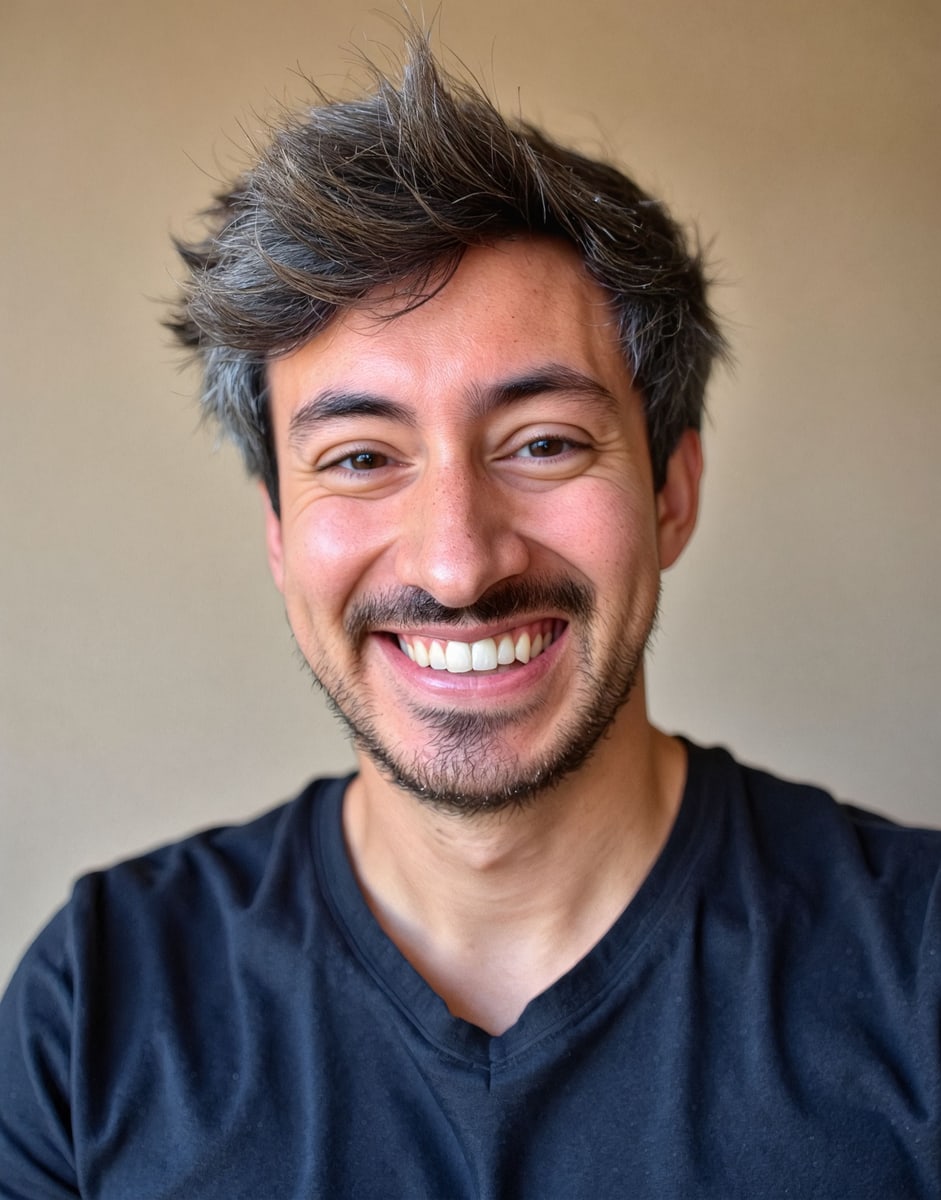
The frame above keeps the grey, the hair volume, the skin texture and the uneven smile at the same time. Nothing else in the test did all four.
What did it get wrong?
The frame above is a navy t-shirt, which is not what most people want from a professional headshot. Its grey-suit frame — the one you would actually use — is the weakest of its four: hair combed flat, grey reduced to a streak at the temple, jaw slightly narrower under the formal light. Two of its four files also share the same law-library background, so the set has less variety than "four photos" suggests.
Is the most expensive one the best?
No, and the price list is misleading in both directions.
Divide what you pay by the frames you would actually use:
| Tool | Paid | Usable | Real cost each |
|---|---|---|---|
| HeadshotPro | $29 | 6 | $4.83 |
| BetterPic | $35 | 4 | $8.75 |
| Secta AI | $49 | 3 | $16.33 |
| TryItOn AI | $17 | 1 | $17.00 |
| Aragon AI | $35 | 2 | $17.50 |
| AI SuitUp | $27 | 1 | $27.00 |
| Headshots.com | $60 | 2 | $30.00 |
| ProPhotos AI | $39 | 1 | $39.00 |
The cheapest advertised price in that table, $17, produces the fourth most expensive usable photograph — because seven frames in eight were unusable, and one had replaced the man entirely.
What is the best value?
HeadshotPro, clearly: six usable frames from six selected at $29, which is $4.83 each. On refunds it publishes only a branded "100% Realism Guarantee" with no stated terms; the most generous policy in the test is Secta AI's 30 days, no questions asked.
The trade-off is that it narrows the face in every single frame, by the same amount each time. It is consistent enough to read as a house style rather than a defect, which is why it still scored 7 on likeness and came third.
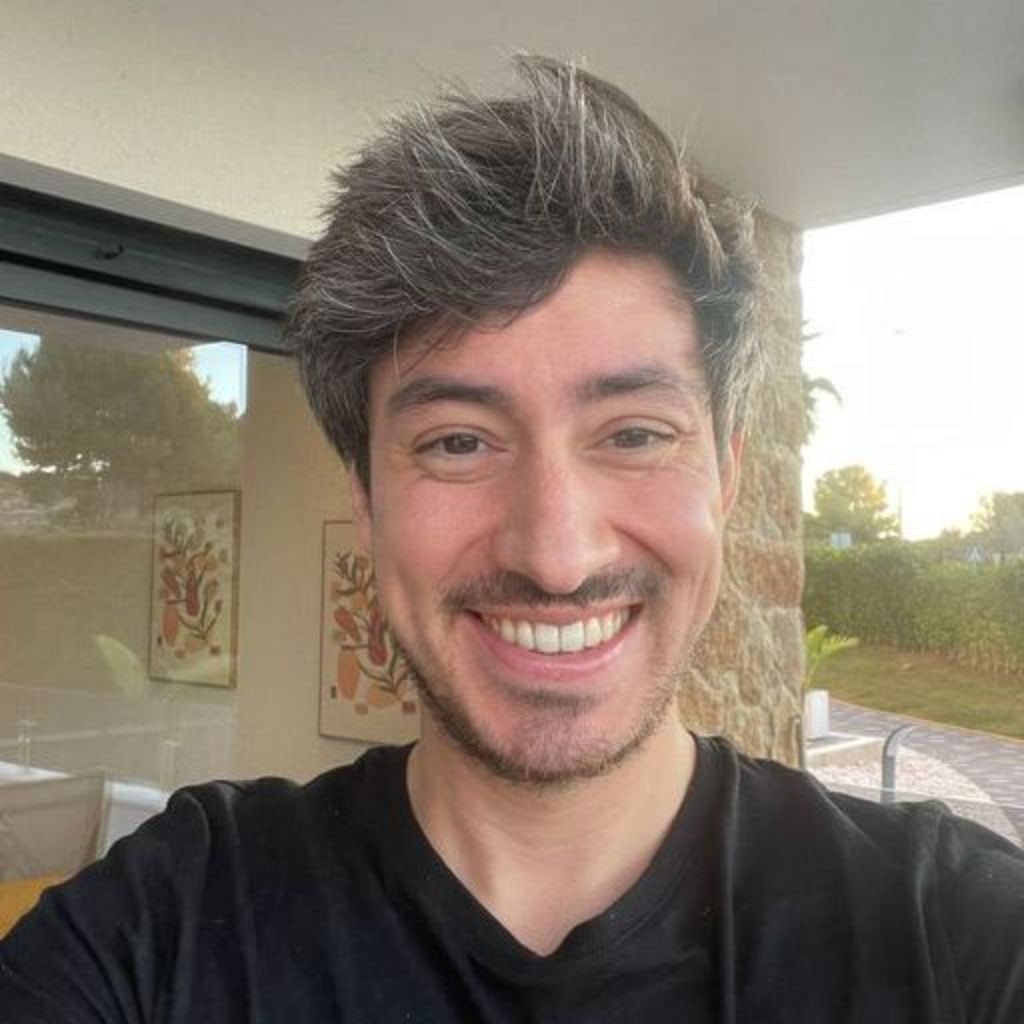
One of the eight inputs, for comparison.
Can a bad tool still produce a good-looking photo?
Yes, and this is the trap.
Headshot.kiwi scored 7 out of 10 on realism and 2.5 on likeness. The lighting is genuinely good, the skin has pores, the depth of field falls off convincingly. And all three of its frames replaced the grey hair and the full face with the same younger, narrower man. HeadshotsByAI did the same at 6 and 2.
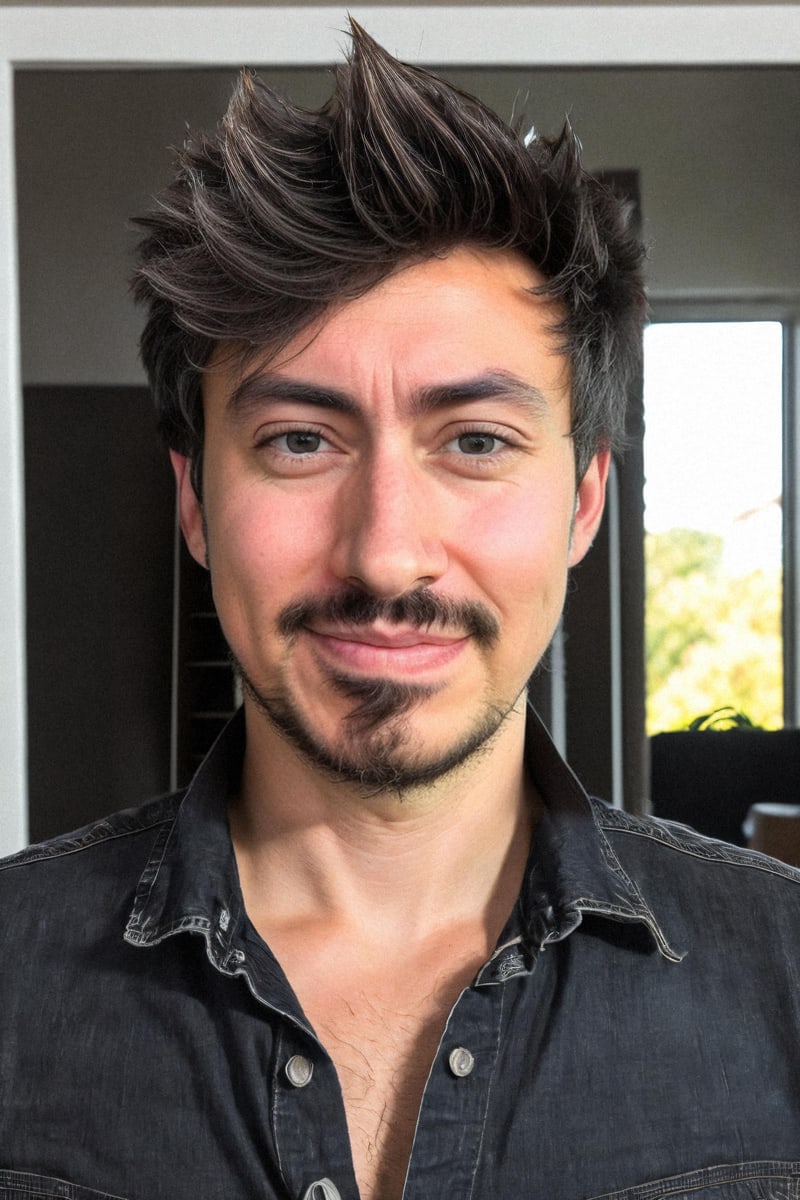
They are not failing to make a photograph. They are succeeding, and swapping the subject while they do it.
What is the full ranking?
| # | Tool | Score | Likeness |
|---|---|---|---|
| 1 | BetterPic | 8.6 | 9 |
| 2 | Secta AI | 8.1 | 8.5 |
| 3 | HeadshotPro | 8.0 | 7 |
| 4 | Headshots.com | 6.6 | 6.5 |
| 5 | Dreamwave AI | 6.3 | 7 |
| 6 | PortraitPal | 5.5 | 5.5 |
| 7 | Aragon AI | 5.3 | 5.5 |
| 8 | ProPhotos AI | 5.2 | 5.5 |
| 9 | The Multiverse AI | 5.0 | 4.5 |
| 10 | StudioShot | 4.7 | 4.5 |
| 11 | AI SuitUp | 4.0 | 3.5 |
| 12 | TryItOn AI | 3.9 | 2.5 |
| 13 | InstaHeadshots | 3.6 | 4 |
| 14 | Headshot.kiwi | 3.4 | 2.5 |
| 15 | HeadshotsByAI | 2.9 | 2 |
Scoring: likeness 40%, realism 30%, usable shots 20%, price per usable image 10%.
How can I check a tool myself?
Put the output next to the photo you uploaded and ask one question: is my hair still my hair?
It sounds trivial. It separated the top three from the bottom four faster than any other check we ran, because hair is where these models take their biggest liberties — greying gets removed, volume gets flattened or inflated, and the change is obvious once you are looking for it and invisible if you are not.
Does this test apply to me?
Partly. It is one man: one skin tone, one hair type, no glasses. These tools fail unevenly, and they fail most reliably on strong prescription glasses, tightly curled hair and darker skin tones — none of which this data covers.
All fifty-seven results, with the eight input photographs, are in the full gallery.
Comentarios
Publicar un comentario